
DressUp Club is your virtual wardrobe where you can store images of your clothes, combine them to create existing and new outfits and plan them, so you are always well-dressed for any event in your life.
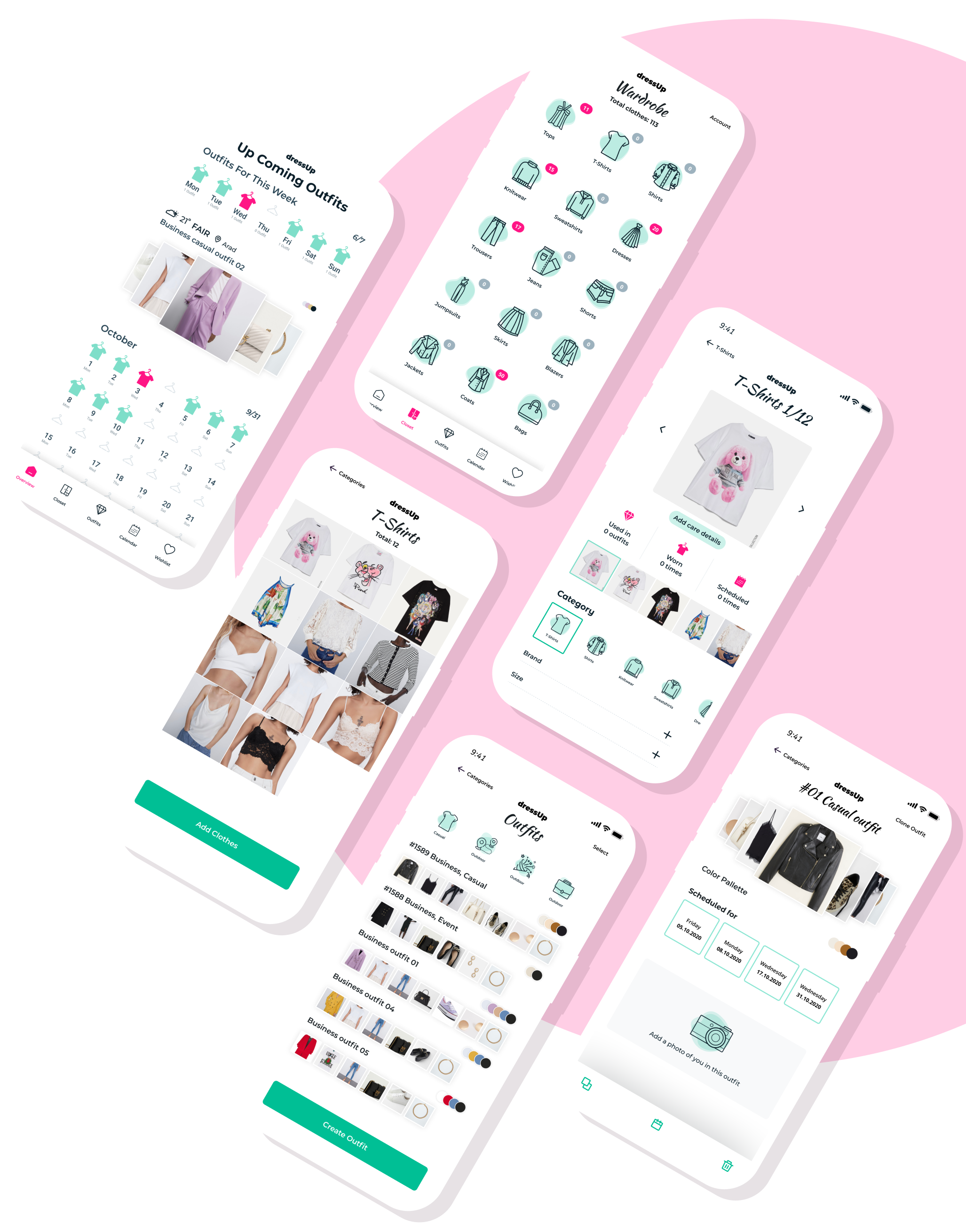
The dressUp Club App is a virtual wardrobe and outfit planner app that helps users organize and coordinate their clothing. The app was created with the goal of giving users a clear and concise overview of their wardrobe, allowing them to make informed decisions when shopping for new clothing items.
The idea for dressUp Club App came about when I found myself constantly rummaging through my closet and drawers, trying to remember what clothes I already owned.
This led to many unnecessary duplicates and wasted money on clothing that did not match my existing wardrobe.
6 months
Surveys, Interviews, Affinity Mapping, Wireframes, Prototyping, Customer journey mapping, Solution sketching, UX and UI Design
I as a UI designer, and my partner in life as a developer.
Figma, React Native
Without a clear and concise overview of their clothing items, it can be easy to forget what you have and end up buying duplicates or items that do not match your existing wardrobe. This can not only be frustrating and wasteful, but it can also make it difficult to create cohesive and stylish outfits.

The goal of dressUp Club App is to help users organize and coordinate their clothing, giving them a clear and concise overview of their wardrobe and allowing them to make informed decisions when shopping for new clothing items. By using DressUp Club, users can easily keep track of their clothing, create outfits using the items in their virtual wardrobe, and get recommendations based on their personal style and the items in their wardrobe. With DressUp Club, users can have all their clothes under control and only buy clothing items that match their current wardrobe, saving them time and money in the process.
As the creator of the idea for the dressUp Club App and the UI designer, I played a crucial role in the development of the app. My vision for the app and my design skills helped to bring the app to life, giving users a clear and concise overview of their wardrobe and helping them to make informed decisions when shopping for new clothing items. My contribution to the app, along with the efforts of my partner who implemented the app, was essential in launching the dressUp Club App in the App store.
As a generalist UX designer, I was responsible for taking a holistic, user-centered approach to the design of the app, and ensuring that all aspects of the user experience are considered. This include issues such as usability, accessibility, visual design, and overall user satisfaction. I was also responsible for staying up-to-date with the latest trends and best practices in UX design, and bringing these insights to bear on the development of the app.
To understand the needs and expectations of the users, I based my research on my own experiences and struggles when it comes to organizing, planning, and combining my outfits. Through this research, I was able to identify common pain points and needs that users may have when it comes to their wardrobe and outfit planning. This allowed me to design a product that addresses these needs and provides a solution to help users better manage their clothing and create stylish outfits.
One common pain point that many people face when it comes to their wardrobe is difficulty remembering what clothes they already own.
Without a clear and concise overview of their clothing items, it can be easy to forget what you have and end up buying duplicates or items that do not match your existing wardrobe. This can not only be frustrating and wasteful, but it can also make it difficult to create cohesive and stylish outfits.

A user persona is based on real user characteristics, behaviors, and goals. User personas help designers understand their target public's needs and motivations.
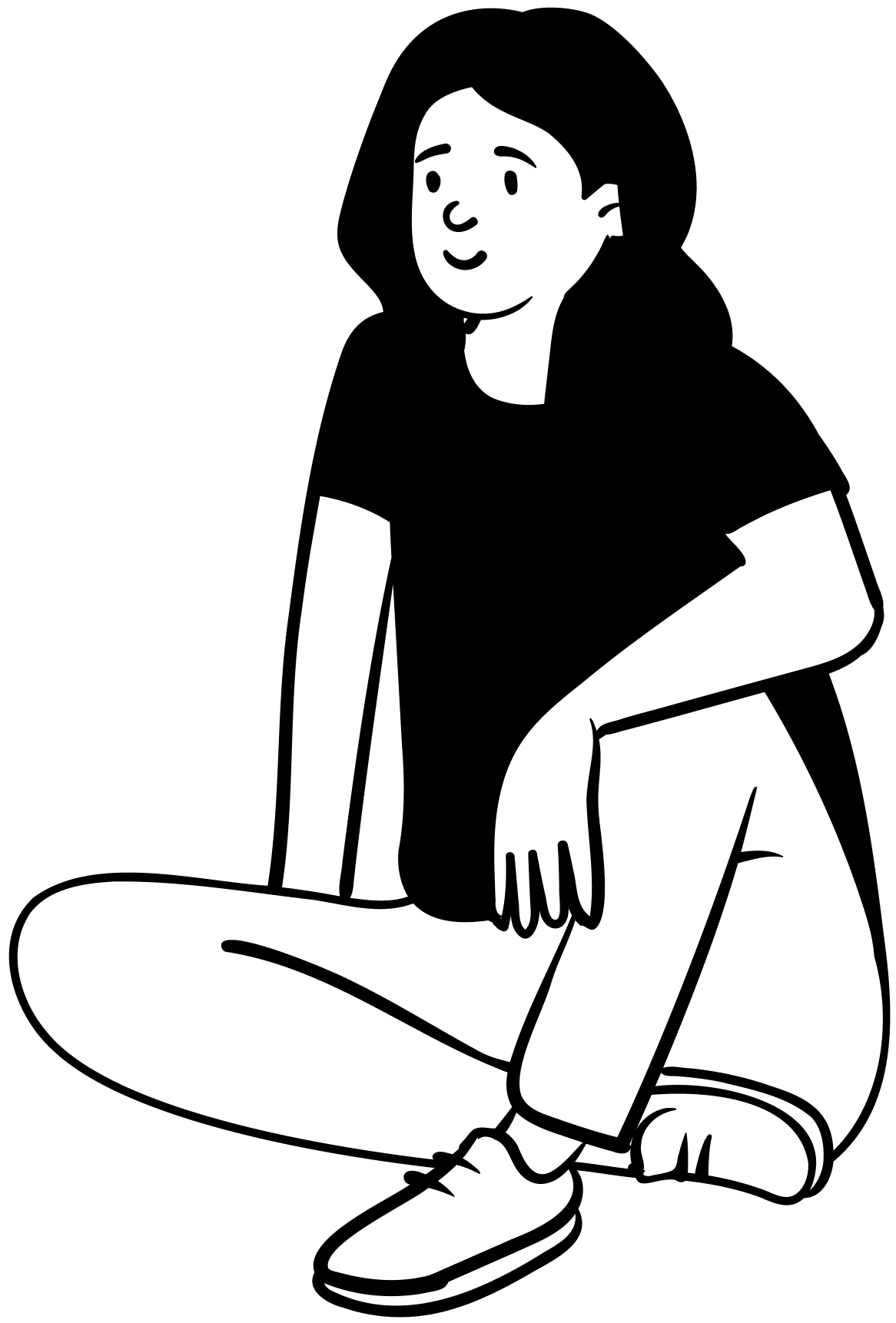

Dana Banana is a marketing professional who always strives to look her best. She takes pride in her appearance and wants to make a good impression at work every day.
Dana struggles with the age-old question of "what am I wearing today?". Despite having a wardrobe full of clothes, she often finds herself standing in front of her closet in the morning, feeling overwhelmed and unsure of what to put on.
Dana wants to better organize her clothing to create stylish, cohesive outfits and feel confident every day. A well-organized wardrobe is key to achieving this goal.
User research helps decide what the users really want and what we should design for users.




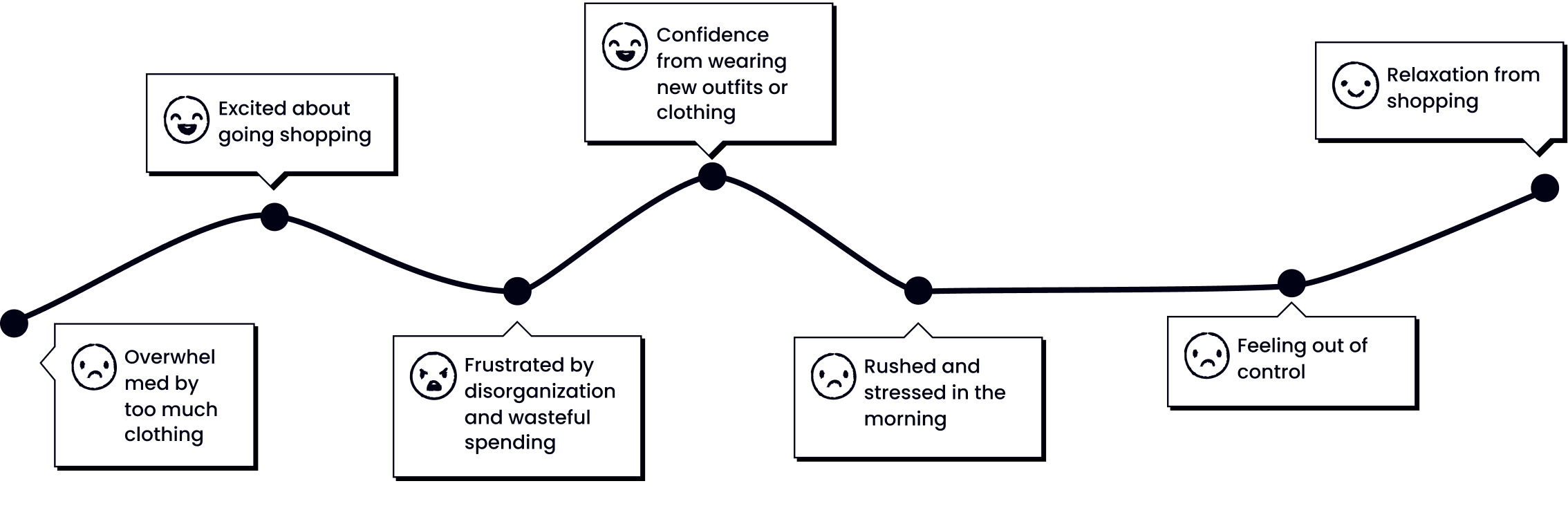
The user begins by identifying their pain point: they are struggling to keep up with all the clothing items in their wardrobe and are frustrated with their lack of organization and the amount of money they are wasting on clothing that does not match their existing wardrobe.
The user begins searching for a solution to their problem, looking for ways to better organize and coordinate their clothing.
The user tries various methods to keep track of their clothing, including manually writing lists, using spreadsheet programs, and even taking photos of their clothes.
The user evaluates the effectiveness of these methods and decides which ones work best for them.
The user begins implementing their chosen method to organize and coordinate their clothing, including adding new items to their list or spreadsheet and sorting their clothes by category or color.
The user continues to use their chosen method to keep track of their wardrobe and make informed decisions when shopping for new clothing items.
The user evaluates the results of their chosen method and makes any necessary adjustments to better meet their needs.
"I can't believe how many clothes I have and how disorganized my wardrobe is. I'm constantly forgetting what I have and buying duplicates or items that don't match anything I own. It's so frustrating and wasteful."
"I need to find a better way to keep track of my clothes and make sure I'm not buying things I don't need. I wish there was an easier way to do this."
"I'm going to try writing lists and using spreadsheet programs to see if that helps me keep track of my wardrobe. Hopefully, this will allow me to make more informed decisions when shopping for new clothes."
"I can't believe how overwhelmed I feel by all the clothes I own. I feel like I'm constantly searching for things and I can never find what I'm looking for."
"This is a lot of work and I'm not sure if it's really helping. I'm still forgetting what I have and buying things I don't need."
"I can't believe how much money I've wasted on clothes that don't match anything in my wardrobe. It's so frustrating to feel like I have no control over my clothing."
"I need a better solution. I wish there was an app or some kind of tool that could help me organize and coordinate my clothing. It's just so hard to keep up with everything on my own."
Organizing and coordinating clothing through a system that works for the user
Using technology, such as apps or software, to manage the wardrobe
Seeing reports of the most worn items
Enlisting the help of a personal stylist or fashion consultant
Decluttering and simplifying the wardrobe
Having a clear overview of the wardrobe
Making informed decisions about what to wear and what to buy
Combining and mixing clothes from anywhere and everywhere (no need to sit in front of the closet)
Connecting with a personal stylist for additional support and advice
Planning outfits in a calendar
To understand the needs and expectations of users, I based my research on my own experiences and struggles when it comes to organizing, planning, and combining my outfits. Through this research, I was able to identify common pain points and needs that users may have when it comes to their wardrobe and outfit planning. This allowed me to design a product that addresses these needs and provides a solution to help users better manage their clothing and create stylish outfits.
Based on this research, me and my team, identified several key features that would be important for the app to have:
Having a clear overview of the wardrobe.
Making informed decisions about what to wear and what to buy
The ability to add and organize clothing items into the virtual wardrobe, including photos, descriptions, and tags for easy searching.
Combining and mixing clothes from anywhere and everywhere (no need to sit in front of the closet).
Planning outfits in a calendar.
A planner tool that allows users to create and save outfits using the items in their virtual wardrobe.
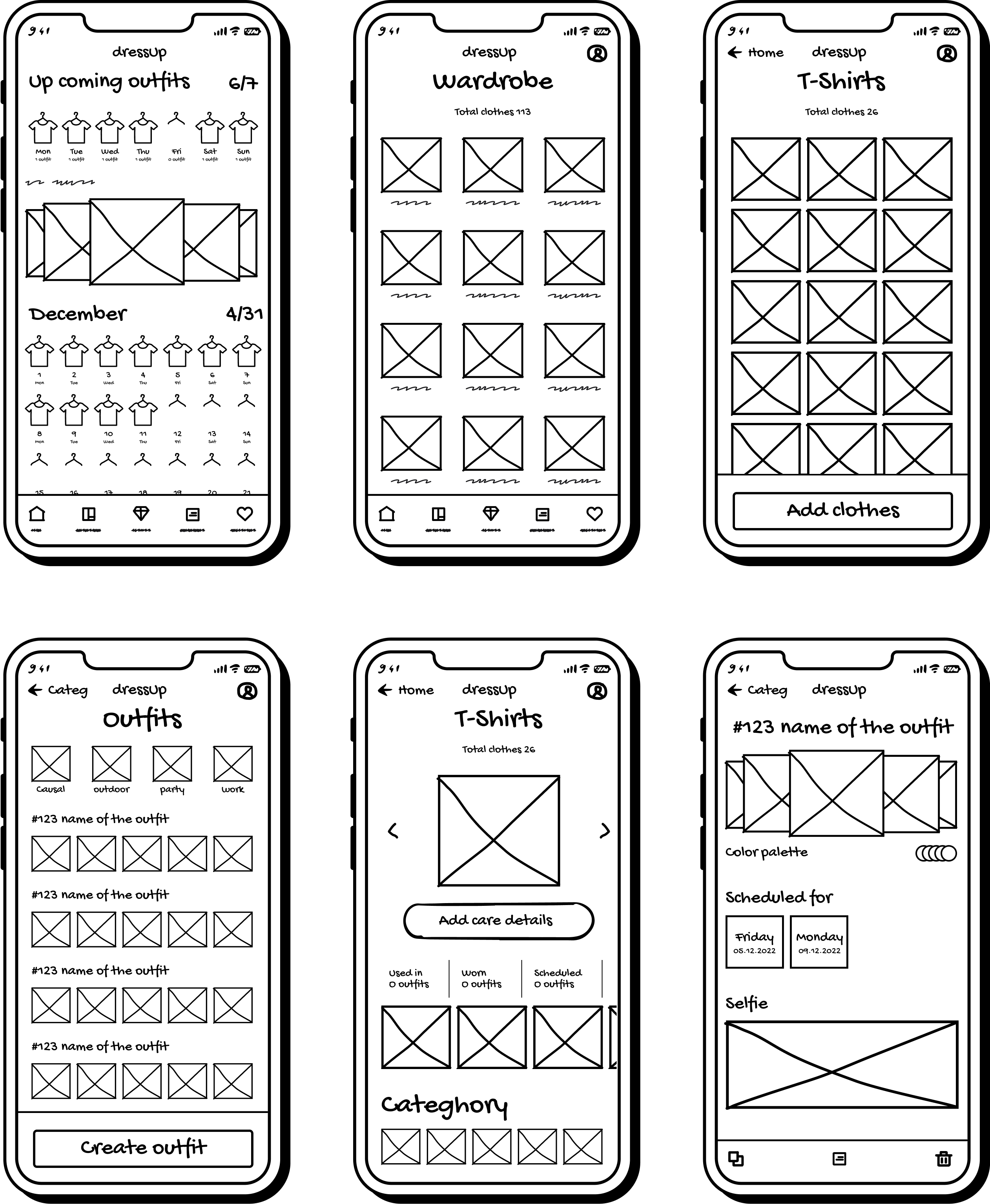
When sketching the low-fidelity wireframe for the dressUp Club App, I was focusing on the overall layout and structure of the app, rather than the specific design details. This allows us to quickly prototype and test different ideas, and get feedback from users or stakeholders before moving on to higher fidelity designs.
To bring these ideas to life, the team worked on wireframing and prototyping various design concepts. These were then tested with a group of users to gather feedback and make any necessary adjustments.
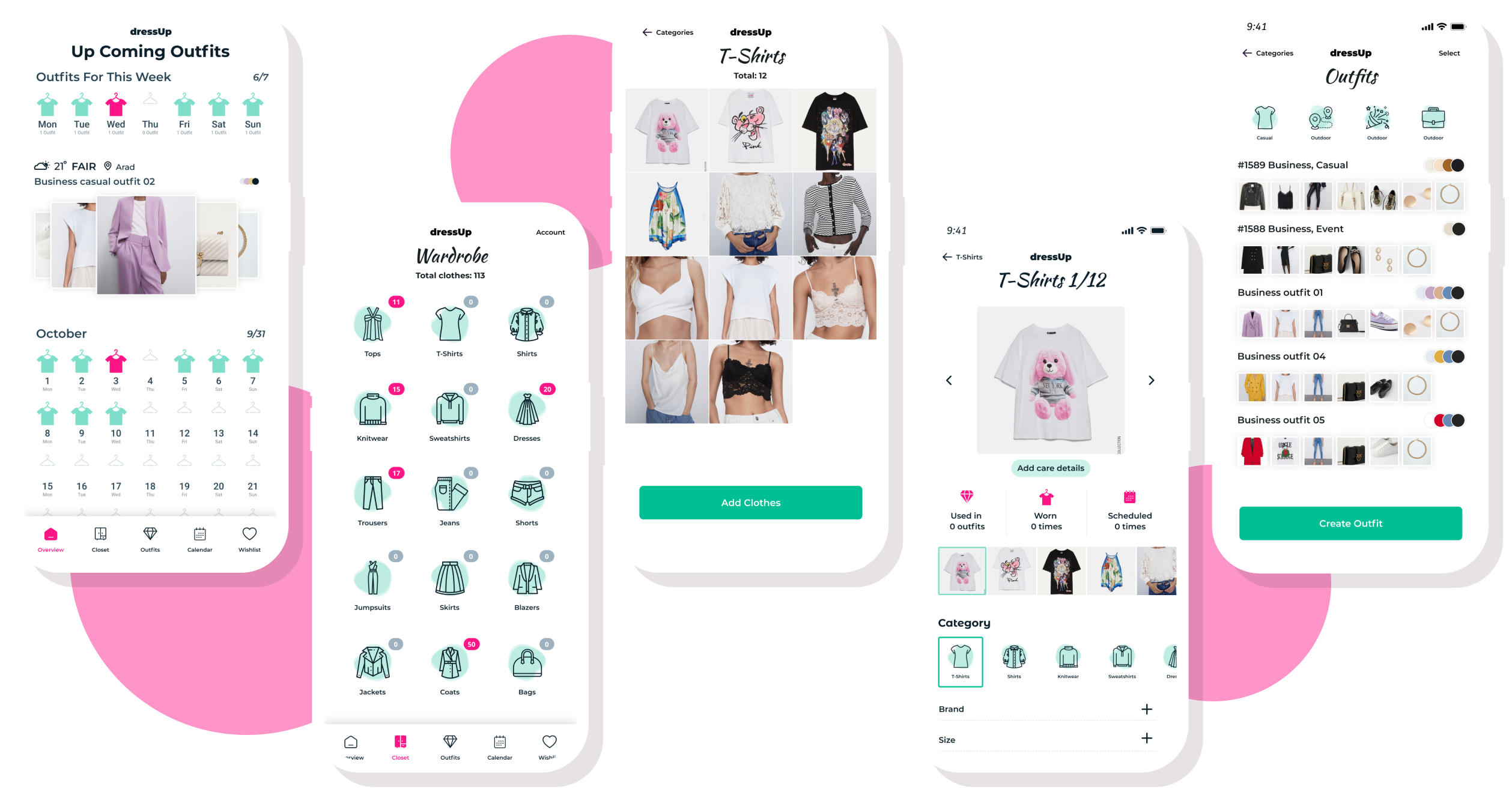
Creating a high-fidelity prototype based on a low-fidelity prototype is a really exciting and rewarding process! It allows us to take the rough ideas and concepts from our low-fidelity wireframes and bring them to life with more detailed design elements focusing on accessibility and usability.
To understand the needs and expectations of users, I based my research on my own experiences and struggles when it comes to organizing, planning, and combining my outfits. Through this research, I was able to identify common pain points and needs that users may have when it comes to their wardrobe and outfit planning. This allowed me to design a product that addresses these needs and provides a solution to help users better manage their clothing and create stylish outfits.
Based on this research, me and my team, identified several key features that would be important for the app to have:
Based on my usability testing, it appears that my research into the needs and expectations of users was effective in identifying common pain points and needs related to wardrobe and outfit planning. My focus on my own experiences and struggles allowed me to gain insight into these issues and design a product that addresses them effectively. The resulting product appears to provide a useful solution for users looking to better manage their clothing and create stylish outfits, demonstrating the value of my research and design efforts. Overall, the usability testing suggests that my product successfully addresses the needs and expectations of users, and it is likely to be well-received by its target audience.
Overall, while my research was effective in gaining insight into the needs and expectations of users and my product provides a useful solution for managing clothing and creating outfits, there may be some areas for improvement in terms of streamlining the process of inputting clothing items into the app.
DressUp Club is a successful app that helps users organize and coordinate their clothing, saving them time and money in the process. Its simple and intuitive design, along with its useful features, make it a valuable tool for anyone looking to take control of their wardrobe.
Niche market: As the app is focused on wardrobe and outfit planning, it have been challenging to target a specific audience and create a marketing campaign that effectively reaches the desired users.
Competition: There are other apps or tools available on the market that serve a similar purpose, making it challenging to differentiate this product and stand out from the competition.
User engagement: Ensuring that users continue to use and find value in the app over time, particularly if the target audience is a niche market.
To improve upon these negative key findings, the next steps I will take include streamlining the process of inputting clothing items into the app.
I will explore ways to make it easier for users to quickly and efficiently add their clothing items to the app, such as by implementing a selfie first feature.